

The direct answer: image resolution matters underground, but it is only one of three factors that decide whether a defect is gradeable — the others are lighting and optics. A 2MP camera with strong illumination and stable optics produces a more useful inspection record than a higher-resolution camera that is underlit or blurry. Understanding how the three work together is what separates good footage from a record you cannot defend.
What resolution actually means
Resolution describes how much detail a camera can capture — 2MP produces 1080P video (1920×1080), while 5MP captures roughly two and a half times the pixel information. More pixels mean a hairline crack or surface pitting stays visible when you zoom in on a screenshot. But pixels only help if they are filled with information: a dark pipe returns dark pixels, no matter how many of them there are.
Resolution in practice
| Grade | What it resolves | Where it fits |
|---|---|---|
| 2MP HD (1080P) | Industry baseline — clear grading of common defects when lighting is good | Routine municipal and industrial runs (K22 family, K18) |
| 5MP dual camera | More detail for fine surface conditions and large-diameter frames | Large mains where a defect is a small fraction of the frame (K20) |
The practical rule: pick the resolution your defect grading needs, then spend the rest of the effort on lighting and optics, where most real-world image quality is won or lost.
Lighting matters as much as pixels
Underground, the pipe is dark by definition. LED fill lights determine whether the wall is visible at all — and how far the light reaches into the circumference. A camera with strong, even lighting reads the full wall; a weak or uneven light leaves the crown in shadow and defects hidden. On every survey, check the lighting before the run, not after.
Optics and stability: the quiet factors
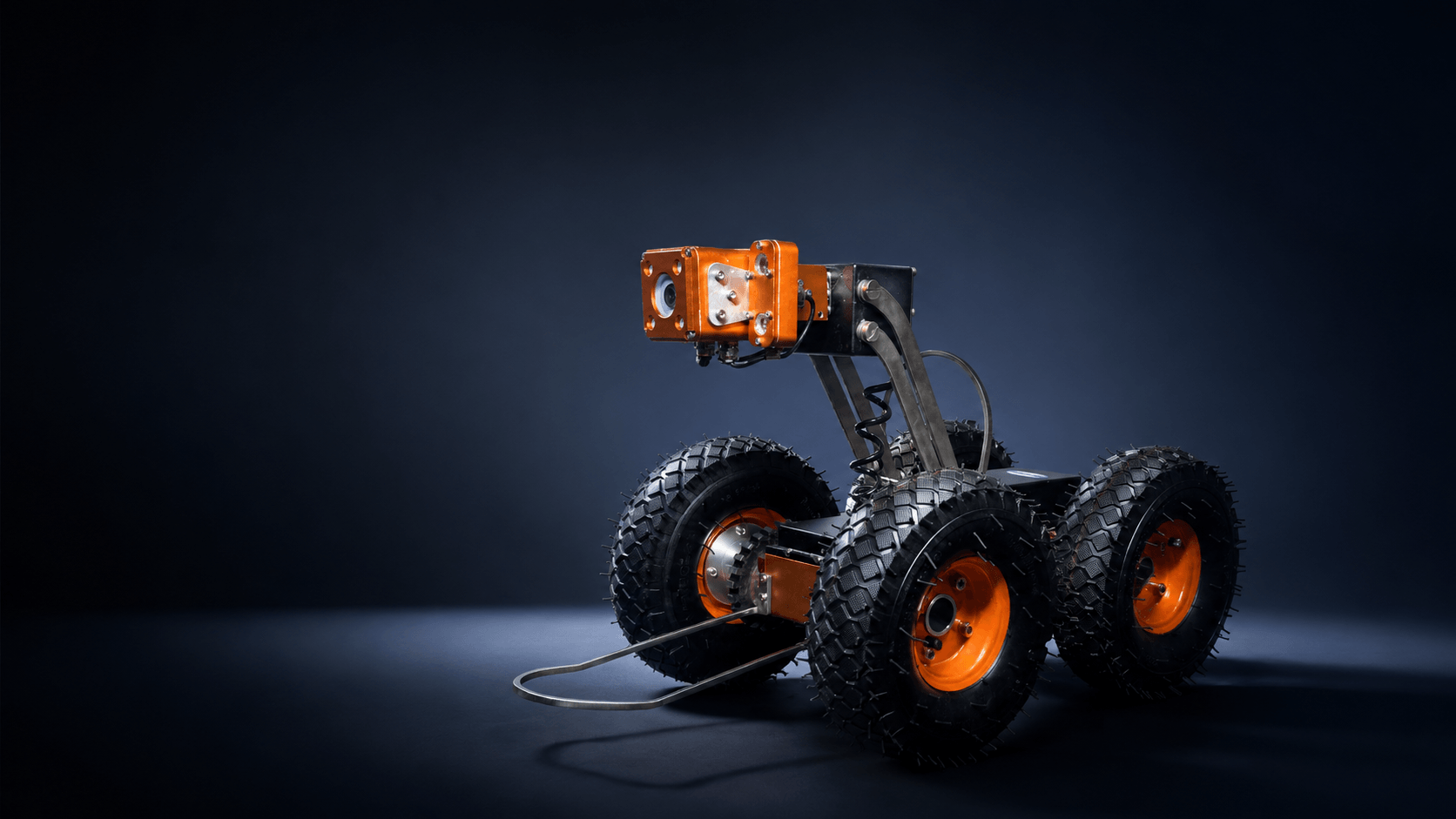
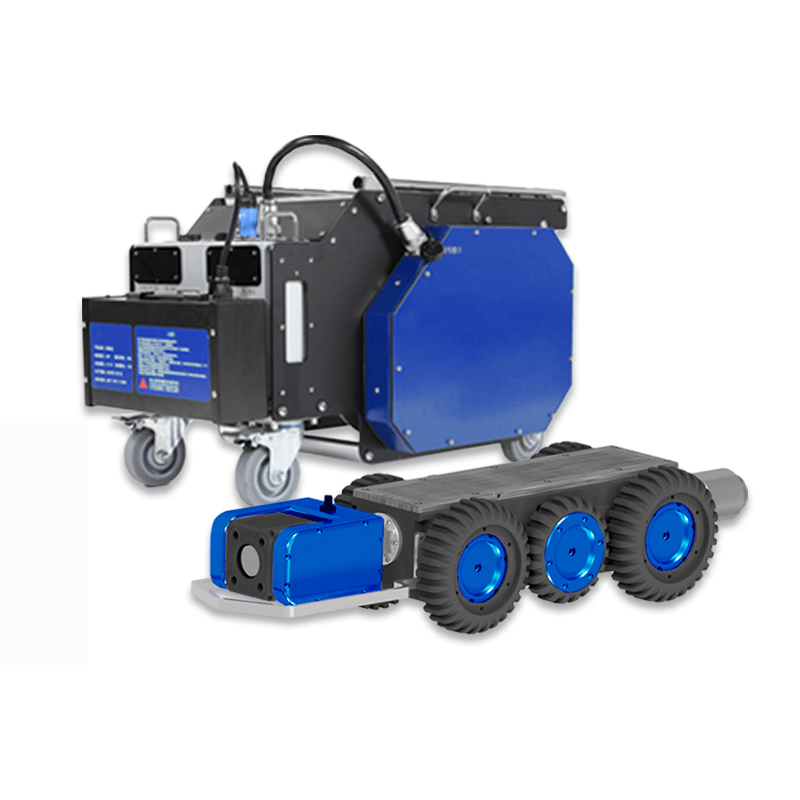
A sharp lens and a stable platform do the work that marketing photos cannot show. Wide-angle lenses capture more wall per frame but magnify less; close-up lenses are the opposite. And a crawler that climbs an offset without rocking keeps the footage sharp, while a bouncy platform turns even a 5MP camera into a blur. That is why a well-built drive train shows up in the quality of the record.
How resolution affects the report
The report is what the network owner keeps, reviews and compares year over year. Screenshots need enough detail to support a defect grade without a re-survey. When footage is sharp and well-lit, screenshots can be zoomed, defects described with confidence and risk ratings defended in a meeting. When it is not, the report becomes a disclaimer — and the survey gets redone.
Choosing the right camera for the line
Match the camera to the survey, not the brochure:
- Routine municipal and industrial runs — a 2MP 1080P camera with good lighting covers the majority of defect grading needs.
- Large-diameter mains and fine surface conditions — higher resolution pays for itself when the defect is a small fraction of the frame.
- Complex geometry — a 360° rotating camera with adjustable angle reaches bends, laterals and crowns that a fixed camera cannot.
"Pixels are the budget. Lighting and optics are the result."
FAQ
Is 4K required for pipeline inspection? No. The industry works reliably at 2MP 1080P for most grading, and higher resolutions are chosen where fine detail drives the decision. The record's usefulness depends on the whole imaging chain, not the pixel count alone.
Can I zoom into screenshots to grade defects? Only as far as the captured resolution allows. That is why matching resolution to the defect types you grade matters more than the marketing number.
What should I check before a survey to protect image quality? Clean the lens, confirm the LED lighting is working across the full range, and test focus at the working distance on a section of real pipe.
Resolution, lighting and optics decide whether footage becomes a defensible report. Match all three to the defects you grade — the pixel count alone is never the answer.