

Municipal Sewer & Drainage
CCTV inspection of sewer & stormwater networks, no man-entry.
Remote CCTV surveys of wastewater and drainage networks — defects mapped to exact metered positions, crews kept out of the pipe, and a structured report your maintenance team can act on immediately.
Why Manual Sewer Inspection Fails.
Manual inspection of these networks carries real, compounding costs.
Confined-Space Risk
Sewer manholes and mains are permit-required confined spaces. Entry means gas testing, permits, PPE and a standing rescue plan — and any one of those can stall a survey for a day.
Slow Mobilisation
Manual CCTV setups need multiple crew members and heavy cable reels. Small crews, long lead times and limited traffic windows make reactive surveys painfully slow.
Hidden Defects
Cracks, deformation, corrosion, sediment, root intrusion and joint displacement stay out of sight until they surface as a blockage or a collapse.
No Objective Record
Hand-written logs vary between operators, so comparing condition year over year — and justifying maintenance budgets — becomes guesswork.
The direct answer.
How do municipalities inspect sewer pipes? The standard method is remote CCTV inspection: a small tracked robot is lowered into a manhole and driven through the pipe while cameras record the wall continuously. PipeSolv's K-Series does exactly this — without confined-space entry, without flow stoppage, and with metered distance on every frame so defects are reported at exact positions.
Non-invasive, no excavation
Sewer inspection is a visual survey: the robot records the condition of the pipe wall, joints and manholes without digging, without shutting the line and without people entering the network. The result is an objective, timestamped record that can be compared year over year to plan maintenance and justify budgets.
What the data looks like
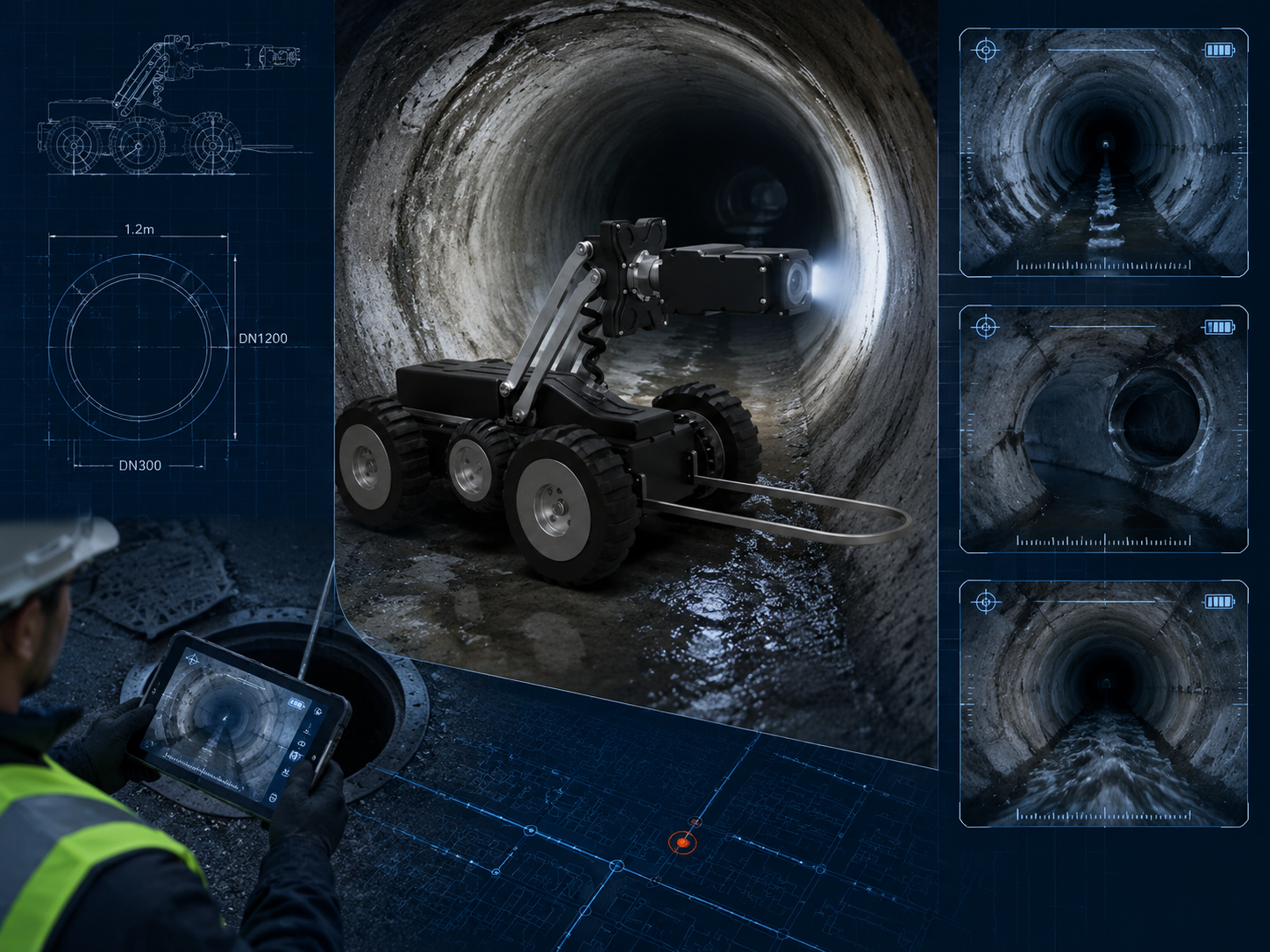
Every run produces continuous video, defect screenshots and a structured report. The operator flags cracks, deformation, corrosion, sediment, root intrusion and joint displacement on the live view; the encoder pins each defect to a metered position along the run, giving the network owner a clear priority list for rehabilitation.
Working the Line, End to End.
The K-Series on the invert and at the manhole — engineered from real field conditions, not brochures.
No-Entry CCTV, Right on the Invert
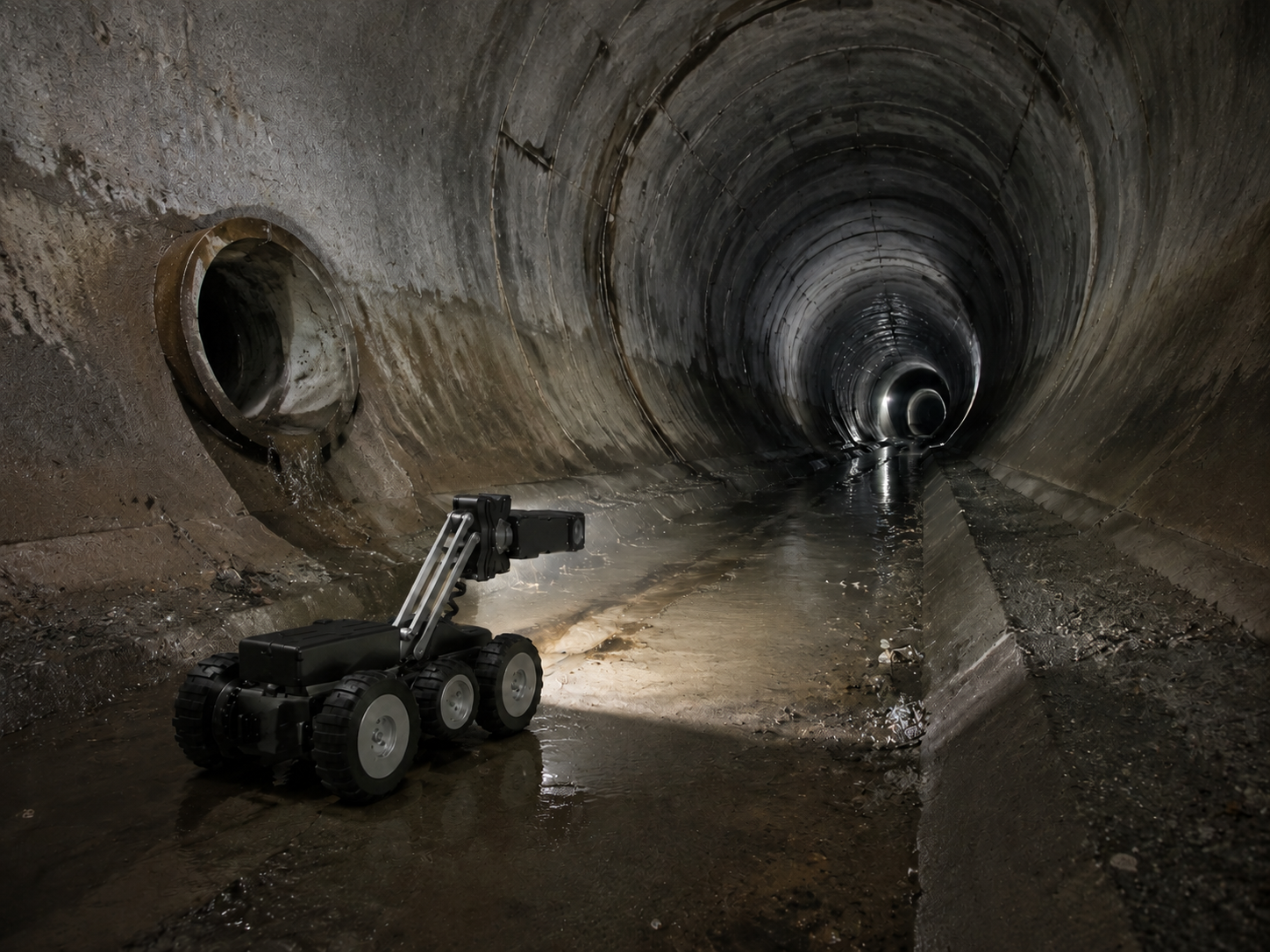
Metered Defect Mapping
The K-Series Inspects It — No Entry Needed.
The robot is lowered into the manhole on its cable and driven through the line by a single operator on the surface. Twin 5MP cameras capture the pipe wall front and rear while an electronic encoder logs distance on every frame — so every defect is pinned to a metered position, not an estimate. The run produces continuous video, defect screenshots and a structured report, ready on the tablet at the end of the survey.
Built for the Sewer Network.
The same robot, tuned to your industry — no entry, full coverage, verified results.
No Confined Entry
Crews stay at street level; nobody enters the manhole or the pipe.
Full Pipe Coverage
Front and rear 5MP cameras cover the full circumference on every pass.
Fast Deployment
A single operator with one cable reel can be inspecting within minutes of arrival.
Metered Defect Mapping
An electronic encoder logs distance on every frame, pinning defects to exact positions.
One-Click Reports
Screenshots, video clips and structured reports are generated on the tablet at the end of the run.
From Manhole to Report in Four Steps.
A proven process that turns an inspection job into a routine remote operation.
Plan
Mark the manhole access points and agree the survey length with the network owner.
Deploy
Lower the K-Series robot into the line and connect the control reel at the surface.
Inspect
Drive the robot through the run while cameras record continuous footage with metered distance.
Document
Flag defects on the live view, capture evidence and export the structured report for maintenance planning.
Machines Built for This Work.
The K-Series models recommended for this application — pick your platform to see the full specification.
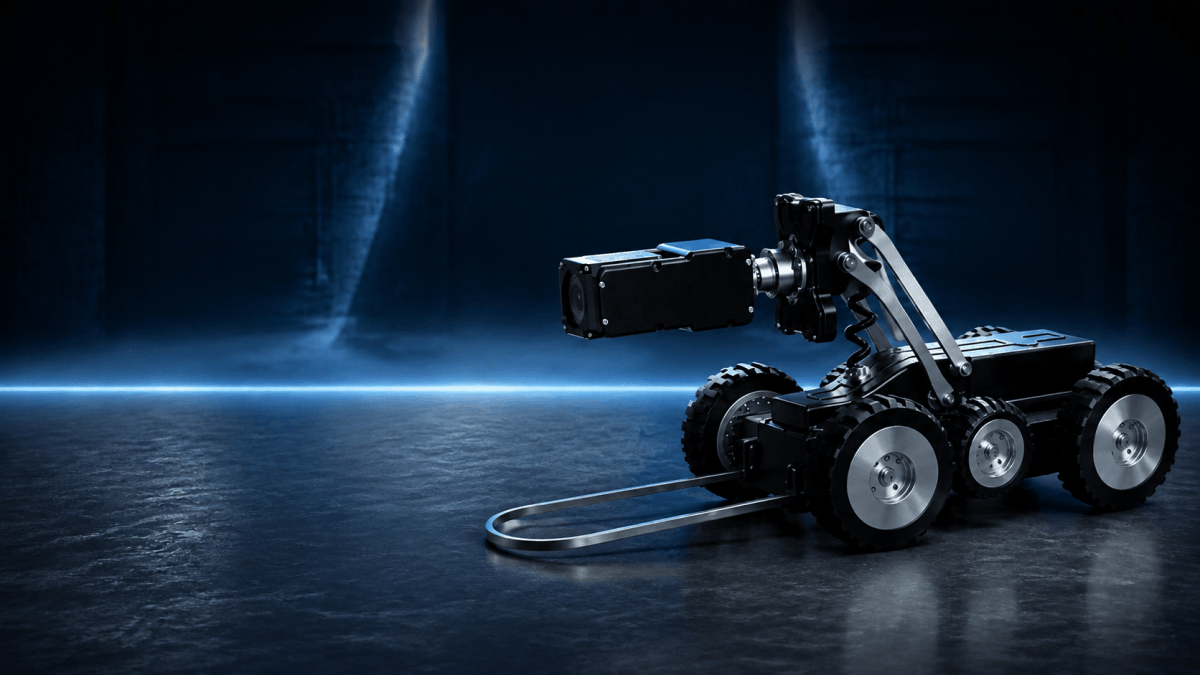 PIPESOLV K20
PIPESOLV K20
- DN200-2000pipe range
- 100 mcable & 6 h run
- 5MP Dualfront & rear camera
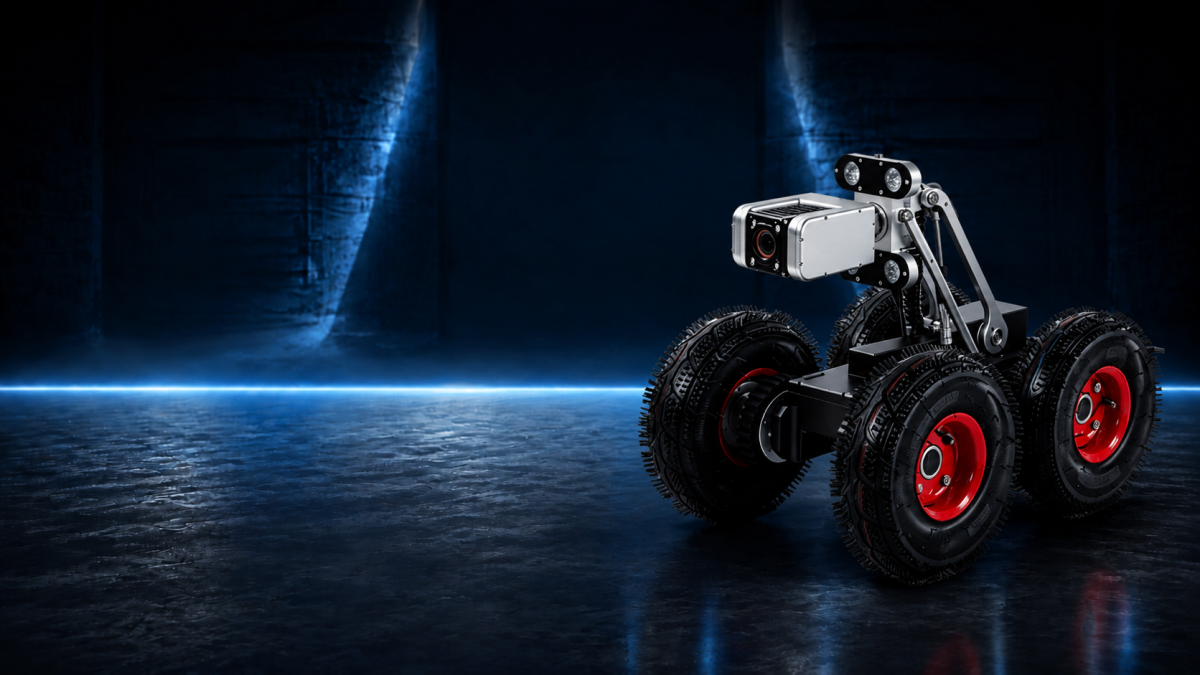 PIPESOLV K22
PIPESOLV K22
- DN300-2000pipe range
- 120 mwork distance
- 360°rotating camera
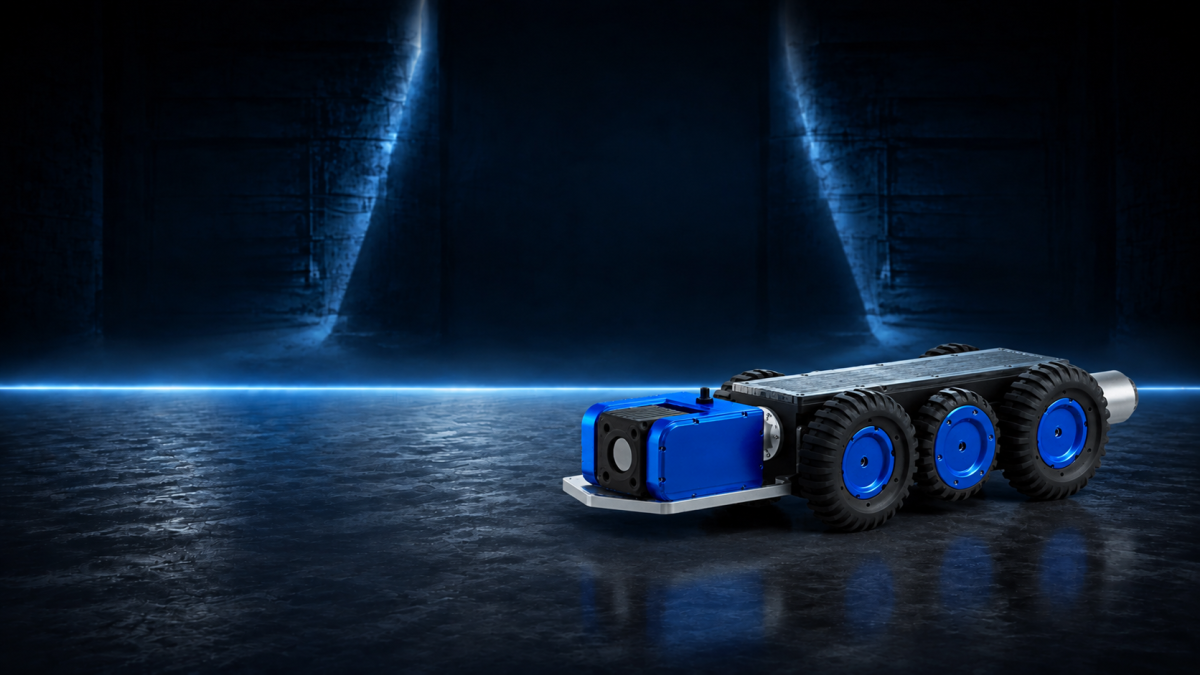 PIPESOLV K22-B
PIPESOLV K22-B
- DN190-2000pipe range
- 120 mwork distance
- 360°rotating camera
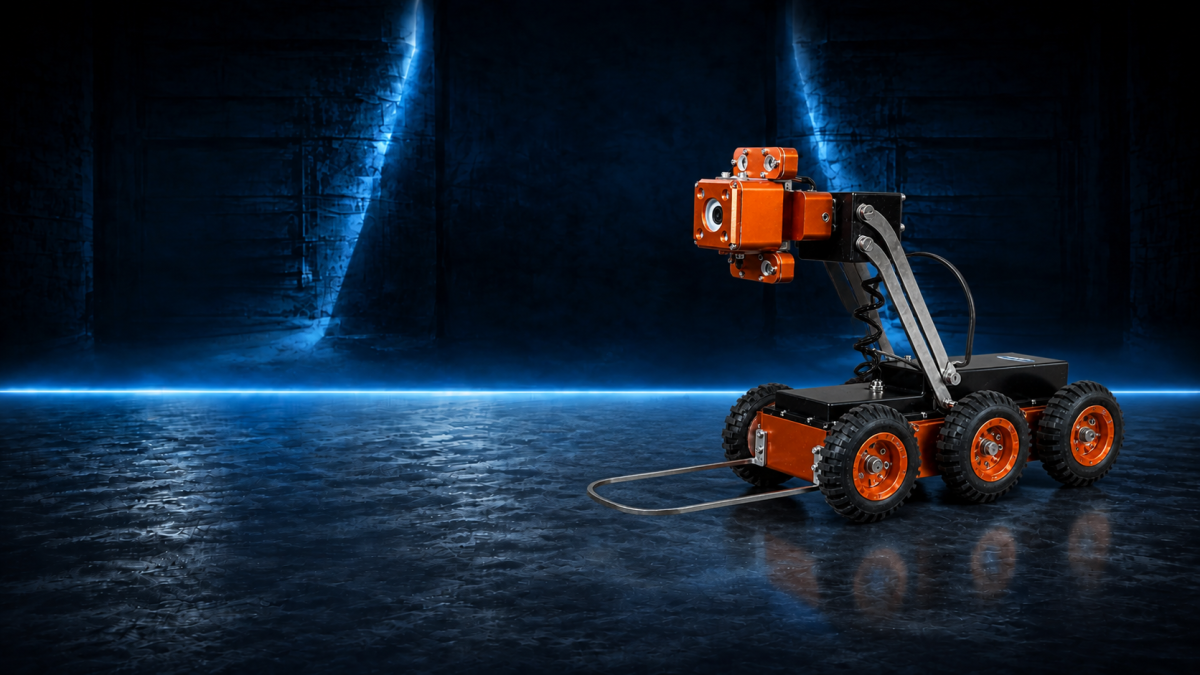 PIPESOLV K18
PIPESOLV K18
- DN200-2000pipe range
- 100 mwork distance
- 5MPHD imaging
Explore Other Industries.
Utility Ducts & Cable Tunnels
Condition mapping of cable ducts and utility tunnels — remotely.
Stormwater & Flood Relief
Pre-flood condition surveys of stormwater and flood-relief systems.
Long-Run Trunks & Culverts
Single-pass inspection of long trunk mains, culverts & tunnels.